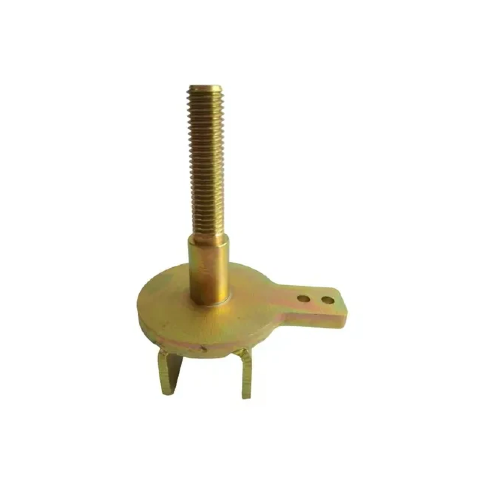
In the modern world, pipelines play an integral role in transporting vital resources such as oil, natural gas, water, and chemicals. The integrity and safety of pipelines are paramount to ensure these resources flow efficiently and without disruption. Every component of a pipeline system must withstand significant mechanical stress, exposure to harsh environmental conditions, and the pressure generated from the materials they carry. This is where steel stamping parts come into play. Steel components are often the backbone of pipeline infrastructure, providing the necessary strength, durability, and reliability that ensure these systems function safely and efficiently.
As a leader in precision metal fabrication, NBI specializes in manufacturing high-quality stamping parts that meet the rigorous demands of the pipeline industry. These parts are designed to provide unmatched performance, with a focus on tensile strength, wear resistance, and the ability to resist the damaging effects of corrosion. In this article, we will explore the role that steel stamping parts play in the pipeline industry and why they are critical for the overall success and longevity of pipeline systems.
What Are Steel Stamping Parts?
Steel stamping parts are components produced from steel that are made through a stamping process. This process involves the use of high-pressure tools that shape flat steel sheets into intricate designs and forms. Steel stamping is a versatile and efficient manufacturing process that allows for the creation of components with precise dimensions, complex geometries, and high durability.
Steel stamping typically involves several key steps, including blanking, bending, deep drawing, punching, and welding. Each of these steps is performed using specialized dies and tools that ensure each part is created with tolerances that meet the specific requirements for pipeline systems. The precision achieved through this method makes steel stamping parts perfect for critical pipeline applications, where even the smallest defect or misalignment could lead to operational failure.
Material Properties: Why Steel?
Steel is a preferred material for many applications, particularly in industries where strength and durability are critical. Some of the key properties of steel stamping parts include:
Tensile Strength: Steel is known for its exceptional tensile strength, which allows it to withstand high-pressure environments. This makes it the perfect material for parts such as flanges, brackets, and clamps, which need to endure significant mechanical stress.
Durability: Steel is an incredibly durable material, capable of withstanding repeated exposure to harsh conditions such as extreme temperatures, pressure, and even chemicals.
Wear Resistance: Steel’s ability to resist wear makes it a long-lasting option for pipeline components that undergo frequent movement or mechanical stress.
Corrosion Resistance: While steel is prone to corrosion in certain environments, various surface treatments can significantly enhance its resistance to rust and oxidation, making it ideal for use in pipeline systems exposed to moisture, chemicals, and extreme weather.
Key Properties of Steel Stamping Parts for Pipelines
Steel stamping parts are essential in the construction and maintenance of pipeline infrastructure. Due to the demanding nature of pipeline environments, these parts must meet specific performance criteria, including high tensile strength, durability, and resistance to extreme conditions. Below, we will break down the key properties that make steel stamping parts ideal for use in pipeline applications.
High Tensile Strength and Durability
Steel is known for its high tensile strength, which means it can withstand significant stretching and pulling forces without breaking. This is a crucial property for pipeline parts, especially those exposed to high-pressure environments. Parts like flanges, sealing rings, and mounting brackets must be able to endure the pressure exerted by the fluid or gas flowing through the pipeline, as well as external forces such as wind, vibration, and weight.
Durability is another vital factor in the selection of materials for pipeline components. Steel’s durability ensures that steel stamping parts will remain functional for extended periods, even under constant mechanical stress. This is particularly important in pipeline systems that require years of reliable service without failure.
Corrosion Challenges and Surface Treatment for Pipeline Applications
One of the challenges associated with using steel in pipeline applications is its susceptibility to corrosion. Steel can corrode when exposed to moisture, chemicals, or extreme environmental conditions, leading to degradation and ultimately failure. Since pipeline systems are often exposed to such conditions, it’s crucial that steel stamping parts used in pipelines are treated with protective coatings.
Common surface treatments for steel stamping parts include:
Galvanization: Coating the steel with a layer of zinc to prevent rust and corrosion.
Powder Coating: Applying a protective coating that provides a durable, rust-resistant finish.
Nickel Plating: Adding a layer of nickel to the steel for enhanced corrosion resistance and a smooth finish.
These treatments are essential for ensuring that steel stamping parts maintain their integrity and performance in pipeline applications, even when exposed to challenging environmental conditions.
Steel Stamping Properties for Pipeline Parts
Table: Steel Stamping for Pipeline Parts: Strength vs. Corrosion Resistance
Property | Steel Stamping | Corrosion Resistance |
Tensile Strength | High | Moderate |
Durability | High | Low |
Corrosion Resistance | Moderate | High (With Coatings) |
As demonstrated in the table, steel stamping parts are extremely strong and durable, but to ensure corrosion resistance, additional surface treatments are often required. These treatments help steel components maintain their reliability in pipeline systems over time.

Typical Applications in Pipeline Infrastructure
Steel stamping parts are used in a variety of critical applications within pipeline systems. From structural support to ensuring leak-proof connections, these parts contribute to the overall functionality and safety of pipelines. Some of the most common applications for steel stamping parts in pipeline infrastructure include:
Brackets: These components provide structural support for pipelines, ensuring that pipes remain securely in place even under extreme pressure.
Flanges: Flanges are used to connect pipes, valves, and other components in the pipeline system. Steel stamping parts are ideal for producing flanges that can withstand high-pressure environments without failure.
Clamps: Clamps are used to secure pipelines to supports and prevent movement during operation. Steel stamping ensures these parts are strong and reliable.
Sealing Rings: Steel sealing rings are crucial for creating tight, leak-proof seals between components.
Pipe Supports: These parts provide additional stability to pipelines, preventing sagging or movement that could compromise the system’s integrity.
Production Processes That Ensure Performance
To produce high-quality steel stamping parts for pipelines, manufacturers rely on advanced production processes. These processes are designed to create parts with exceptional precision and performance. Some of the key processes involved in producing steel stamping parts include:
Progressive Die Stamping for Large-Volume Runs
Progressive die stamping is a process that involves using a series of dies to progressively form parts as they move through the machine. This method is ideal for producing high volumes of steel stamping parts with consistent quality. The ability to create parts in large quantities without sacrificing precision makes this process highly efficient for pipeline components.
Secondary Operations: Welding, Coating, and Finishing
After the initial stamping process, secondary operations are often used to further enhance the functionality of the parts. These include:
Welding: Steel components are often welded together to form more complex structures, such as custom brackets or pipe supports.
Coating: Protective coatings such as galvanization or powder coating are applied to enhance corrosion resistance.
Finishing: Processes like polishing, sandblasting, or brushing are used to improve the appearance and functionality of the parts.
Case Studies from Pipeline Installations
Real-world applications of steel stamping parts highlight their essential role in ensuring pipeline system safety and performance. Here are some examples of how steel stamping parts are used in pipeline installations:
Pressure Sensor Mounts
In pipeline systems, pressure sensors are used to monitor the pressure inside the pipes. Steel stamping parts are used to create custom mounts that securely hold the sensors in place, ensuring accurate readings.
Pipe Supports
Steel supports are used to stabilize pipelines, especially in areas where the pipeline might be subjected to heavy loads or movement. These supports are essential in ensuring that the pipeline remains safely anchored in place.
Conclusion
In conclusion, steel stamping parts play an integral role in ensuring the safety, durability, and reliability of pipeline systems. The high tensile strength, corrosion resistance, and durability of steel make it an ideal material for use in the harsh conditions that pipelines often face. At NBI, we specialize in manufacturing high-precision steel stamping parts that meet the stringent requirements of the pipeline industry. Whether you are looking for brackets, flanges, clamps, or sealing rings, our steel stamping parts are designed to provide the strength and reliability that pipeline systems need.
If you are looking for custom-engineered steel stamping parts for your pipeline infrastructure, contact us today to learn more about how NBI can support your needs with our high-quality solutions.
FAQ
Why is steel used for pipeline components instead of other metals?
Steel offers excellent tensile strength, durability, and corrosion resistance, making it ideal for pipeline applications that require strong, long-lasting components.
How do steel stamping parts resist corrosion in pipeline applications?
Steel stamping parts are treated with protective coatings such as galvanization or powder coating to improve corrosion resistance in harsh environments.
What is the normal tolerance for steel stamping parts?
NBI’s steel stamping parts are manufactured with high precision, typically achieving a tolerance of ±0.1 mm.
Can NBI provide prototypes of steel stamping parts for pipelines?
Yes, NBI offers prototype manufacturing services, including laser cutting and progressive die stamping, before moving to full-scale production.