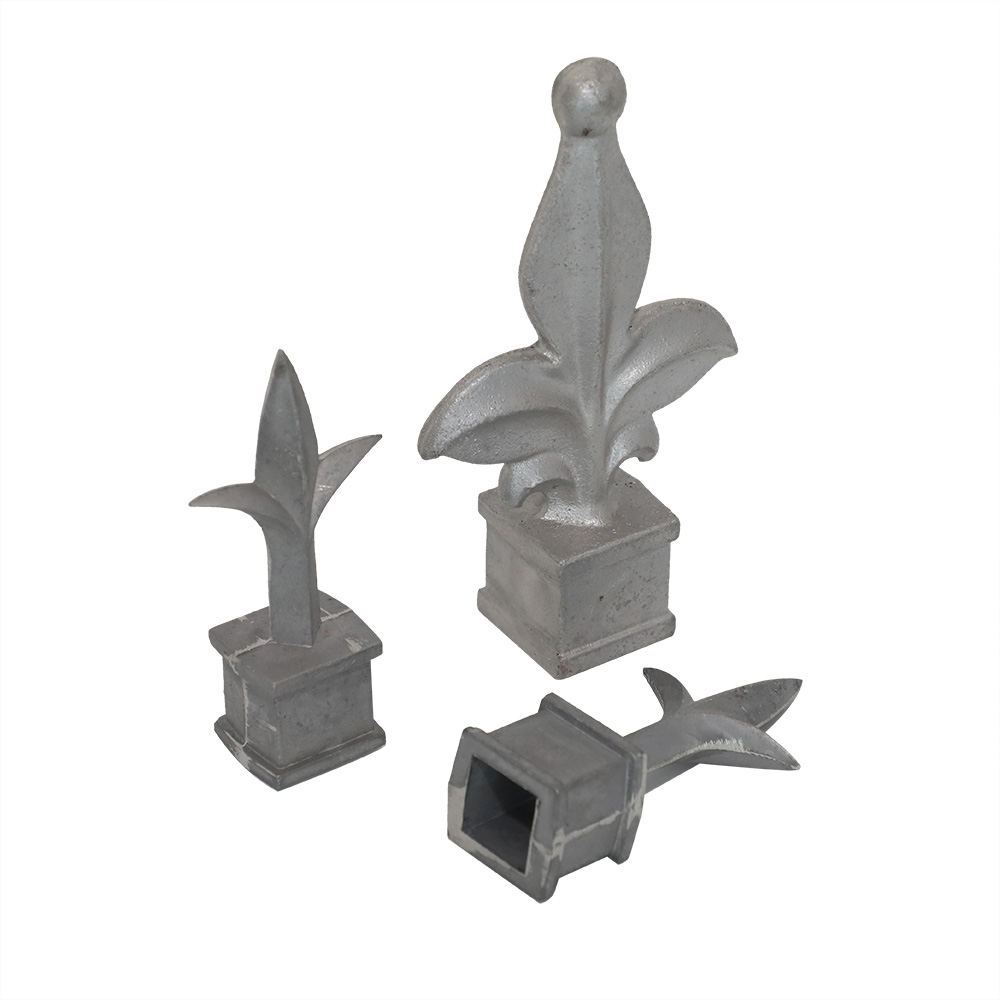
Modern manufacturing often treats Aluminum Sand Casting as merely a traditional fabrication method. However, you should view it as a strategic procurement choice. It expertly balances tooling expenses, rapid lead times, and extreme geometric complexity. Utilizing expendable sand molds to shape molten aluminum alloys offers unmatched agility. You gain the ability to execute rapid design iterations seamlessly. Furthermore, you can handle low-to-medium volume production efficiently while creating massive, heavy parts. This article provides a rigorous, evidence-based evaluation framework. We will help your engineering and purchasing teams determine if sand casting aligns perfectly with your specific unit economics. You will discover how to evaluate tolerance requirements and meet strict performance standards without overcapitalizing on upfront tooling.
Key Takeaways
Economic viability: Aluminum sand casting drastically reduces initial tooling capital compared to die casting, making it optimal for rapid prototyping, agile product modifications, and short production runs.
Material versatility: Leveraging specific alloys (like AA356 or 319) allows engineers to dial in exact tensile strengths (16k–50k psi) and corrosion resistance by adjusting Silicon and Magnesium ratios.
Process realities: While highly versatile, the process inherently produces a rougher surface finish (300–560 RMS) and requires planned machining allowances for tight-tolerance mating surfaces.
Risk mitigation: Common defects like porosity and hot tearing are highly preventable through rigorous foundry controls, specifically regarding liquid metal temperature regulation and sand compaction.
Evaluating Aluminum Sand Casting Methods: Core Mechanics and Materials
The Core Sand Components
Creating a reliable mold requires understanding the critical variables dictating final part quality. The base sand you choose heavily influences thermal management. Silica sand remains highly popular because it is incredibly cost-effective. However, chromite sand offers rapid heat transfer rates. This faster cooling refines the grain structure of the aluminum. Zircon sand presents another excellent option. It boasts very low thermal expansion, which tightly controls dimensional accuracy during high-heat exposure.
Binder systems hold these sand particles together. They determine mold rigidity and surface quality. Green sand utilizes moisture and clay as cohesive agents. It remains highly cost-effective and entirely reusable. Resin or Furan sand, alongside Sodium Silicate binders, deliver higher dimensional stability. They resist mold deflection during the pour. Alternatively, Petrobond or oil sand substitutes water with mineral oil. This mixture produces a superior surface sheen on the final aluminum component.
The Casting Cycle
Execution phases demand strict quality control to ensure repeatable metallurgical integrity. The cycle follows four distinct, highly regulated steps:
Pattern creation: Engineers design a physical replica of the part. This pattern intentionally accounts for natural shrinkage rates and incorporates draft angles to facilitate safe removal from the sand.
Mold assembly: Technicians pack the selected sand mixture around the pattern. They use a bottom box called a drag and a top box called a cope. They also place precise internal sand cores to form hollow cavities inside the casting.
Metal introduction: Foundry workers pour molten aluminum into the gating system. They strictly target specific pouring temperatures. The metal typically enters around 750°C. This temperature maintains ideal fluidity without burning away the chemical binders in the sand.
Solidification and breakdown: The metal cools and solidifies. Workers then break apart the expendable mold to retrieve the raw casting. Immediate post-processing removes the gates, runners, and risers before final heat treatment.
The Engineering and Commercial Benefits of Aluminum Sand Casting
Minimal Tooling Amortization
One primary commercial advantage involves the sheer reduction of upfront capital. Standard die casting requires highly expensive, permanent steel molds. Machining these permanent dies demands significant financial investment and time. Sand casting eliminates these massive upfront costs. You only need to manufacture a relatively inexpensive pattern. This drastically shortens your time-to-market. It also allows your engineering team to implement mid-cycle design revisions inexpensively. Modifying a wood or polymer pattern costs a fraction of altering a hardened steel tool.
High Process Forgiveness
Sand casting provides an exceptional thermal tolerance advantage. Permanent mold casting requires strict temperature controls. You must keep temperature variances tightly within a +/- 20° window. If you fail, the metal may freeze prematurely or damage the steel tool. In contrast, sand casting exhibits immense process forgiveness. It can yield highly viable parts even when encountering a +/- 40% temperature variance. The insulating properties of the sand allow the aluminum to flow and fill complex geometries steadily.
Unrestricted Geometric Complexity
Standard permanent molds struggle to produce intricate internal cavities. The steel cores cannot be easily removed from complex, winding channels. Sand casting solves this problem elegantly. Foundries utilize complex sand coring systems. You can successfully cast internal cooling fluid channels inside automotive engine blocks. You can also form winding passageways inside aerospace turbine housings. Once the aluminum solidifies, workers simply vibrate or wash the internal sand away. This process achieves complex shapes deemed impossible for standard permanent molds.
Scalable Size Capacity
Weight flexibility stands out as a defining advantage. Other casting methods struggle to scale up efficiently. Aluminum Sand Casting effortlessly accommodates massive size discrepancies. You can produce lightweight components weighing mere ounces. Conversely, industrial applications frequently rely on sand casting to produce massive structural frames weighing up to 200 tons. This vast scalability ensures the process remains relevant across almost every heavy industry sector.
Strategic Alloy Selection for Sand Casting
The Role of Alloying Elements
Chemical composition dictates final casting success. Pure aluminum lacks the mechanical strength necessary for industrial use. Foundries introduce specific alloying elements to alter the metal's behavioral properties. Silicon represents the most critical additive for casting. It vastly improves the flowability of molten aluminum. High silicon content allows the liquid metal to accurately fill highly complex mold details before it solidifies. Magnesium also plays a pivotal role. It governs the final hardness and ultimate tensile strength of the part post-heat treatment.
Industry-Standard Aluminum Alloys
Engineers consistently rely on a few proven alloy families to guarantee performance. Understanding these distinctions helps procurement teams specify the correct material grade.
Alloy Grade
Primary Alloying Elements
Key Characteristics
Common Applications
A356 / AA356 & A357
Silicon, Magnesium
High strength, exceptional ductility, great pressure tightness.
Excellent castability, high machinability, superior thermal conductivity.
Engine heat sinks, fluid pump housings, oil pans.
The A356 and A357 series serve as the baseline for high-strength requirements. They perform exceptionally well under dynamic mechanical loads. Conversely, 319 Aluminum remains the preferred choice when thermal management and secondary machining take precedence over extreme tensile strength.
Process Limitations and Defect Mitigation Strategies
Surface Finish Realities
You must objectively evaluate the surface roughness inherent to this method. Non-ferrous sand casting naturally produces a textured exterior. The process typically yields a 300–560 RMS surface finish range. In stark contrast, high-pressure die casting achieves a much smoother 20–120 RMS range. The granular nature of the sand transfers directly onto the cooling aluminum. Therefore, procurement teams must advise engineers to plan for secondary CNC machining. Critical mating surfaces and sealing faces will always require a post-casting machining pass.
Managing Dimensional Tolerances
Dimensional variability remains a known limitation. Sand molds naturally expand when exposed to 750°C molten metal. As the aluminum cools, it subsequently contracts. This dynamic shifting creates minor dimensional inconsistencies across large production batches. You must standardize machining allowances within your initial CAD models. Adding extra material to critical dimensions ensures your machinists have enough stock to mill the part down to its exact final tolerance.
Troubleshooting Common Defects
Even highly controlled foundries encounter defect risks. However, understanding the root causes allows teams to implement robust mitigation strategies.
Porosity: These trapped gas pockets or shrinkage voids weaken the internal structure. They are typically induced by excessive pouring temperatures. Insufficient sand ramming or poor compaction also traps gas unable to vent through the mold walls.
Hot Tearing: This refers to internal stress cracking occurring during the cooling phase. Thin sections cool rapidly while thicker sections remain hot. This thermal imbalance rips the metal apart. Preventing hot tears requires optimized gating and risering systems. These systems continuously feed molten metal into shrinking areas as the part cools.
Sand Casting vs. Die Casting: A Decision Framework
Volume and Unit Cost
Mapping the break-even points dictates your manufacturing strategy. Sand casting definitively wins in low-to-medium volume scenarios. If you require between 1 and 5,000 units, the low pattern tooling costs keep your overall project expenditure down. Die casting, however, requires massive volumes to make financial sense. You typically need to order 10,000 or more units to amortize the expensive hardened steel tooling. Die casting offers a lower per-part cost, but the initial barrier to entry remains intensely high.
Tool Life and Wear
Tool longevity varies drastically between the two methods. Sand casting patterns suffer almost zero thermal degradation. The reusable wooden or polymer pattern never actually contacts the molten metal. It only shapes the room-temperature sand. Consequently, sand casting patterns boast an almost indefinite tool life. Conversely, die cast molds degrade progressively over time. Extreme thermal cycling and high injection pressures erode the steel tool, eventually requiring costly refurbishment.
Lead Times
Speed to market often determines the winning technology. You can spin up a physical sand casting pattern and pour the first article in a matter of weeks. The process demands very little specialized machinery prep. Die casting requires months of preparation. Toolmakers must painstakingly machine, harden, and validate complex steel dies before the first part is ever shot.
Decision Metric
Sand Casting
Die Casting
Optimal Volume
1 to 5,000 units
10,000+ units
Tooling Cost
Low to Moderate
Extremely High
Tool Degradation
Minimal (No thermal contact)
High (Thermal shock/wear)
Initial Lead Time
2 to 4 weeks
10 to 16 weeks
Best Practices for Design Handoff and Foundry Evaluation
Draft Angles and Geometry
Successful extraction of the pattern from the sand depends entirely on smart geometry. You must specify rigid engineering rules during the CAD phase. Standardize your draft angles across all vertical walls. Implementing a 3° to 5° draft ensures smooth pattern extraction. Without proper draft angles, the friction pulls at the sand. This causes mold wall collapse, immediately ruining the casting cavity before the metal is even poured.
Simulating the Pour
Relying on trial and error wastes valuable capital. Procurement teams should exclusively partner with foundries utilizing CAD-based solidification modeling. Software simulation predicts molten fill rates accurately. It allows engineers to optimize the gating design and riser placement digitally. Simulating the pour eliminates cold shuts and turbulent gas entrapment before any physical patterns are actually cut.
Quality Assurance Standards
Evaluating vendor capabilities requires looking past simple price quotes. You must audit their internal floor controls. Recommend evaluating vendors based on their strict sand mixture protocols. Foundries must continually optimize their clay and moisture ratios to maintain mold strength. Additionally, demand evidence of strict temperature monitoring systems. Controlling the holding furnace and the pouring ladle temperatures ensures highly repeatable metallurgical integrity across every batch.
Conclusion
The strategic positioning of Aluminum Sand Casting remains undeniable. It stands as an indispensable manufacturing solution for teams prioritizing design flexibility. The process perfectly supports low initial capital output and rapid iteration schedules. You can bring massive, complex geometries to market without crippling upfront tool costs.
However, long-term success relies heavily on acknowledging the inherent limitations of the process. You must proactively solve surface finish roughness and dimensional tolerance variations. Smart alloy selection, proper draft design, and planned secondary CNC machining completely mitigate these drawbacks.
We prompt engineering and purchasing decision-makers to audit their current part volumes immediately. Assess your lifecycle stages and tolerance requirements against the criteria outlined above. Completing this rigorous evaluation ensures optimal alignment before you initiate any new foundry RFQs.
FAQ
Q: What is the difference between green sand and dry sand in aluminum casting?
A: "Green" refers to the moisture content acting as the cohesive agent, not the physical color. It uses water and a clay binder. Dry sand, conversely, is baked in an oven to remove all moisture. Baking offers higher mold strength and tighter dimensional accuracy but drives up the processing cost.
Q: Can aluminum sand cast parts be polished to a high sheen?
A: Yes. While the raw cast has a rough RMS surface finish, finer sand mixtures greatly improve the initial texture. Using Petrobond oil sand, combined with aggressive secondary polishing and finishing treatments, ultimately yields a highly reflective, beautifully smooth surface.
Q: Are aluminum sand casting molds reusable?
A: The specific sand mold itself is destroyed to extract the part. It is an expendable mold system. However, the granular sand can often be reclaimed, reconditioned, and recycled for future molds. The physical pattern used to pack and shape the mold is highly reusable and boasts a very long operational life.
Nanjing Best International Co., Ltd. is a reputable manufacturer and supplier of industrial components based in China. Our factory is situated in Changzhou City, which can be conveniently reached within 1.5 hours by car from Nanjing.