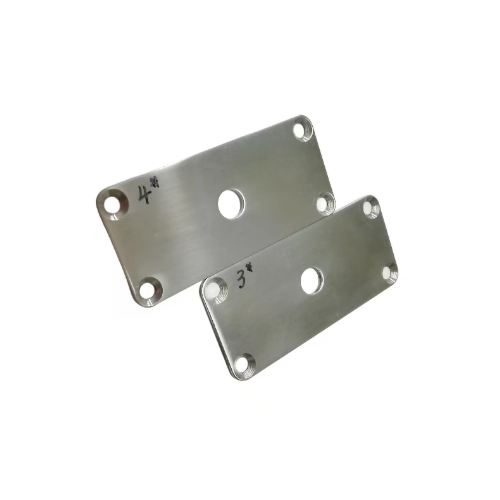
In the rapidly advancing field of manufacturing, the utilization of multi-axis CNC machining stands at the forefront of innovation. This technology allows for the creation of intricate and precise components essential for various industries, from aerospace to medical devices. A critical aspect of this process involves the selection of suitable materials, particularly when choosing between stainless steel and carbon steel. These materials offer distinct properties that can significantly impact the efficiency, cost, and quality of CNC machining parts. Understanding the nuances of working with each metal is essential for engineers and manufacturers aiming to optimize their production processes.
Fundamentals of Multi-Axis CNC Machining
Multi-axis CNC (Computer Numerical Control) machining refers to the process where tools move in four or more directions to fabricate complex parts with high precision. Unlike traditional three-axis machines that move linearly along the X, Y, and Z axes, multi-axis machines incorporate additional movements such as rotation around one or more axes. This capability enables the machining of parts with intricate geometries in a single setup, reducing production time and increasing accuracy.
The advancement in CNC technology has led to the development of five-axis and even nine-axis machines. These machines are essential for producing components with complex surfaces and tight tolerances, commonly required in aerospace, automotive, and medical industries. The integration of advanced software and control systems allows for precise toolpath management, essential when machining challenging materials like stainless steel and carbon steel.
Characteristics of Stainless Steel in CNC Machining
Stainless steel is renowned for its corrosion resistance, strength, and aesthetic appeal. It contains a minimum of 10.5% chromium, which forms a passive layer of chromium oxide, preventing surface corrosion. In CNC machining, stainless steel is favored for parts that require durability and resistance to extreme environments.
However, machining stainless steel poses specific challenges. Its work-hardening properties require careful tool selection and machining parameters. The material tends to harden rapidly under cutting tools, leading to increased tool wear. Additionally, stainless steel has low thermal conductivity, causing heat to concentrate at the cutting zone and affecting tool life.
To mitigate these issues, manufacturers use sharp cutting tools with positive rake angles and apply appropriate cutting speeds and feeds. The use of coolant is critical to dissipate heat and lubricate the cutting area. Advanced tooling materials like carbide and coated inserts enhance performance when machining stainless steel.

Applications of Stainless Steel CNC Machining Parts
Stainless steel CNC machining parts are widely used in industries that demand high corrosion resistance and strength. In the medical field, components such as surgical instruments and implants are commonly made from stainless steel due to its biocompatibility and sterilization capabilities. In the automotive industry, engine components and exhaust systems benefit from stainless steel's ability to withstand high temperatures and corrosive gases.
Moreover, the food and beverage industry relies on stainless steel CNC machining parts for equipment that must meet strict hygiene standards. The material's resistance to staining and ease of cleaning make it ideal for processing equipment, storage tanks, and piping systems.
Characteristics of Carbon Steel in CNC Machining
Carbon steel is an alloy of iron and carbon, with carbon content up to 2.1% by weight. It is known for its excellent mechanical properties, including high tensile strength and hardness. Carbon steel is more affordable than stainless steel and is widely used in various industries due to its versatility and ease of machining.
In CNC machining, carbon steel offers good machinability, particularly in the low to medium carbon range. Higher carbon steels, while providing increased hardness, can be more challenging to machine due to their brittleness. Proper heat treatment can enhance machinability and achieve desired mechanical properties.
Tool selection is crucial when machining carbon steel. High-speed steel (HSS) tools can be used effectively, but carbide tools are preferred for higher cutting speeds and prolonged tool life. Unlike stainless steel, carbon steel has better thermal conductivity, allowing heat to dissipate more efficiently during machining.
Applications of Carbon Steel CNC Machining Parts
Carbon steel CNC machining parts are prevalent in construction, automotive, and machinery manufacturing. Components such as gears, shafts, bolts, and structural beams are commonly made from carbon steel due to its strength and cost-effectiveness. The material's ability to be heat treated allows for a wide range of hardness levels and mechanical properties.
In the oil and gas industry, carbon steel CNC machining parts are used for pipelines and fittings, where high strength and toughness are required. Additionally, carbon steel's weldability makes it suitable for fabricating large structures and equipment.
Comparative Analysis: Stainless Steel vs. Carbon Steel
When comparing stainless steel and carbon steel in the context of CNC machining, several factors come into play, including material properties, machinability, cost, and end-use application requirements.
Machinability
Carbon steel generally offers better machinability compared to stainless steel, especially in lower carbon grades. It allows for higher cutting speeds and reduced tool wear. Stainless steel requires more careful consideration of cutting parameters and tooling due to its tendency to work-harden and its lower thermal conductivity.
Corrosion Resistance
Stainless steel excels in corrosion resistance, making it suitable for harsh environments and applications where exposure to moisture and chemicals is a concern. Carbon steel, while strong and cost-effective, is prone to rust and corrosion unless adequately protected through coatings or treatments.
Strength and Hardness
Both materials offer high strength, but carbon steel's properties can vary widely depending on the carbon content and heat treatment. High carbon steels can achieve greater hardness but may become brittle. Stainless steel maintains good strength and toughness across various grades, with some austenitic stainless steels offering excellent ductility.
Cost Considerations
Cost is a significant factor in material selection. Carbon steel is generally less expensive than stainless steel, making it an attractive option for projects with tight budgets. However, the long-term costs associated with maintenance and potential corrosion protection for carbon steel components should be considered.
Application Requirements
The intended application plays a crucial role in choosing between stainless steel and carbon steel. For environments requiring high corrosion resistance, such as marine or medical applications, stainless steel is the preferred choice. For structural components where strength and cost-effectiveness are priorities, carbon steel may be more suitable.
Advanced Tooling Strategies for Multi-Axis CNC Machining
Advancements in tooling technology have significantly enhanced the capabilities of multi-axis CNC machining. Tool selection and management are vital when working with stainless steel and carbon steel to optimize machining performance and product quality.
Tool Materials and Coatings
The use of carbide tools with specialized coatings such as TiAlN (Titanium Aluminum Nitride) improves tool life and reduces wear when machining tough materials like stainless steel. For carbon steel, uncoated carbide tools may suffice, but coatings can still enhance performance, especially at higher speeds.
Diamond-like carbon (DLC) coatings provide low friction and are beneficial in reducing built-up edge (BUE) formation. The choice of tool material and coating must align with the material properties and cutting parameters to achieve optimal results.
Cutting Parameters Optimization
Optimizing cutting speeds, feeds, and depth of cut is essential to improve machining efficiency and surface finish. For stainless steel, lower cutting speeds and higher feed rates can reduce heat generation and prevent work hardening. In contrast, carbon steel allows for higher cutting speeds but requires careful monitoring to prevent tool wear.
Advanced CAM (Computer-Aided Manufacturing) software enables precise simulations and toolpath optimizations, accounting for tool deflection and material removal rates. This technology aids in selecting appropriate parameters and avoiding potential machining issues.
Coolant and Lubrication Strategies
Effective coolant application is critical when machining metals. High-pressure coolant systems help in flushing away chips, reducing heat, and lubricating the cutting zone. For stainless steel, the use of emulsion coolants with additives can enhance lubrication and prevent built-up edge formation.
In some cases, minimum quantity lubrication (MQL) or dry machining may be utilized, especially when environmental concerns or material considerations dictate. The choice of coolant strategy must be tailored to the specific material and machining operation.
Case Studies and Practical Examples
To illustrate the practical implications of material selection and tooling strategies, consider the following case studies from industry applications.
Aerospace Component Machining
An aerospace manufacturer required high-precision components made from stainless steel for jet engine applications. Employing five-axis CNC machines with advanced tooling and optimized cutting parameters allowed for the production of components with tight tolerances and superior surface finish. The use of specialized coatings on cutting tools and high-pressure coolant systems significantly reduced tool wear and machining time.
Automotive Parts Production
In contrast, an automotive supplier producing carbon steel gears utilized multi-axis CNC machining to enhance production efficiency. By leveraging the machinability of carbon steel and employing high-speed machining techniques, the company achieved increased output and reduced costs. The selection of appropriate heat treatments post-machining ensured the gears met the required hardness and performance specifications.
Best Practices for Manufacturers
Manufacturers aiming to optimize their CNC machining processes for stainless steel and carbon steel should consider the following best practices:
Material Selection Alignment
Choose materials that align with the end-use requirements of the component. Consider factors such as environmental exposure, mechanical stresses, and regulatory standards. This alignment ensures the longevity and performance of the final product.
Tooling Investment
Invest in high-quality tooling and stay updated with the latest advancements in tool materials and coatings. The upfront cost can be offset by increased tool life, improved machining efficiency, and better product quality.
Process Optimization
Utilize simulation software and data analysis to optimize machining parameters. Regularly review and adjust cutting speeds, feeds, and toolpaths to reflect changes in material batches or tool conditions.
Training and Skill Development
Ensure that machinists and engineers receive ongoing training in the latest CNC technologies and machining strategies. Skilled personnel are essential for implementing advanced techniques and troubleshooting issues effectively.
Future Trends in CNC Machining
The CNC machining industry continues to evolve with advancements in automation, artificial intelligence, and material science. The integration of Internet of Things (IoT) devices allows for real-time monitoring and predictive maintenance of CNC machines. Additive manufacturing techniques are also being combined with traditional machining to create hybrid manufacturing processes.
Emerging materials, such as high-entropy alloys and metal matrix composites, present new opportunities and challenges for CNC machining. Manufacturers must stay abreast of these developments to remain competitive and meet the changing demands of the market.
Conclusion
Advanced tooling in multi-axis CNC machining plays a pivotal role in modern manufacturing. The choice between stainless steel and carbon steel involves a complex assessment of material properties, machining challenges, and application requirements. By understanding the distinct characteristics of each material and employing strategic tooling and process optimizations, manufacturers can achieve superior results in producing CNC machining parts.
Staying informed about technological advancements and adopting best practices will enable manufacturers to enhance efficiency, reduce costs, and maintain high-quality standards. Whether working with stainless steel CNC machining parts or carbon steel CNC machining parts, the integration of advanced tooling strategies is essential for success in the competitive landscape of modern manufacturing.