Polyoxymethylene (POM) is a high-performance engineering plastic mainly used for processing automotive parts, electrical and electronic components, mechanical structural parts, consumer goods and precision instrument parts, etc. Its excellent mechanical properties, wear resistance and chemical resistance make it an ideal alternative to metals.

Main application fields
1. Automobile industry .
POM is widely used in the manufacturing of lightweight and durable automotive components, such as gears, bearings, half shafts and other transmission system parts.
Fluid control components such as radiator water pipe valves and water pump impellers.
Safety and control components such as accelerator pedals and seat belt buckles.
2. Electronics and electrical appliances .
Due to its excellent insulation and dimensional stability, POM is often used in:
Tool components such as the housing of the electric wrench and the switch handle.
Precision structural components of equipment such as telephones, computers and televisions.
3. Machinery industry .
POM can replace metals in manufacturing high-load wear-resistant parts, such as:
Transmission components such as gears, cams and bearings.
Fluid system components such as pump bodies, valves, pipe joints, etc.
4. Consumer goods and building materials .
Household building materials such as faucets and window and door pulleys.
Daily products such as pen holders, zippers and toys.
5. Emerging fields .
Including growth markets such as medical devices and sports equipment.
Advantages of POM Precision Machined Part:
Exceptional Durability & Wear Resistance: Withstands repetitive motion, abrasion, and high-load applications, significantly extending component lifespan and reducing replacement costs.
High Precision & Stability: Machined to tight tolerances from stable POM bar stock, ensuring consistent fit, function, and dimensional accuracy even in varying thermal/humidity conditions.
Low Friction & Self-Lubricating: Inherently smooth surface reduces friction and wear, minimizing energy loss, noise, and the need for external lubricants in many applications.
Superior Chemical Resistance: Resists a wide range of solvents, fuels, and chemicals, ensuring reliable performance in demanding industrial environments.
Lightweight & Strong: Offers an excellent strength-to-weight ratio, providing rigidity and structural integrity without adding excessive weight.
Electrical Insulation: Non-conductive properties make it ideal for electrical components, insulators, and applications requiring electrical isolation.
Why Buyers Choose This Material: It delivers the perfect blend of precision, longevity, smooth operation, and chemical resilience for high-performance mechanical and electrical applications, slashing downtime and operational costs.
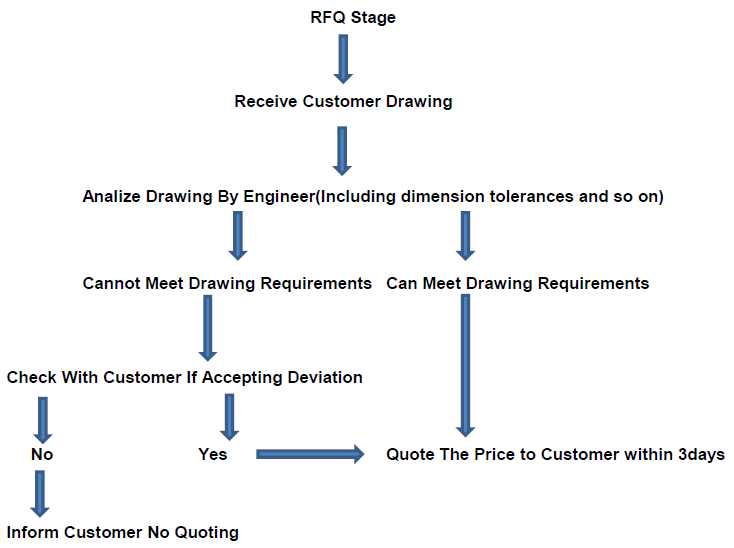
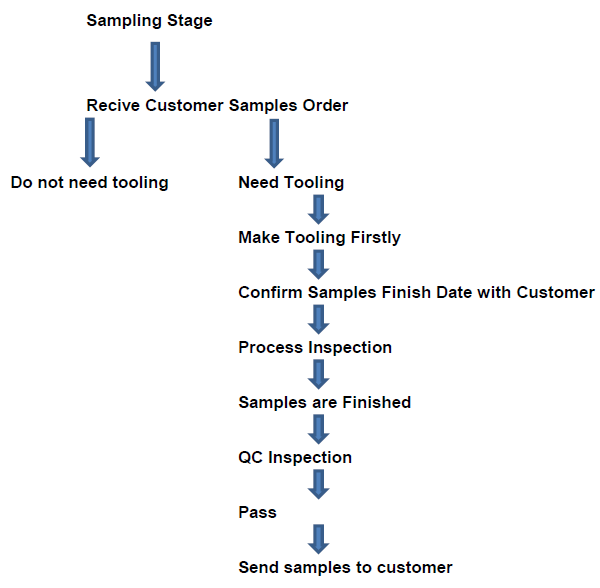
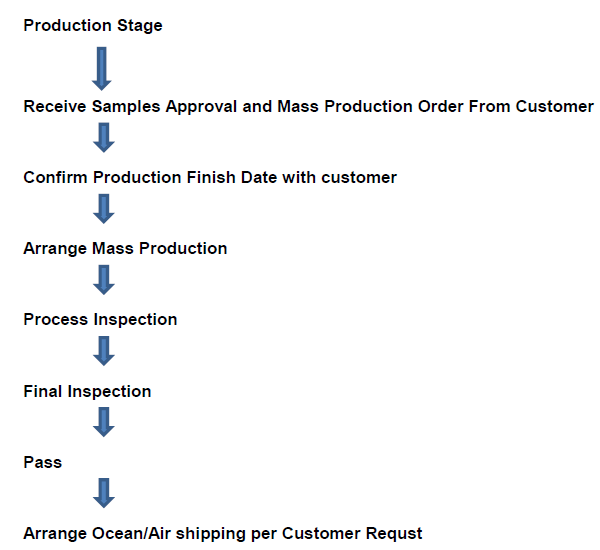
Our POM precision machined parts are all customized design, which are made according to customer drawings. If you are interested, please find below our work flow chart for all custom-made parts:


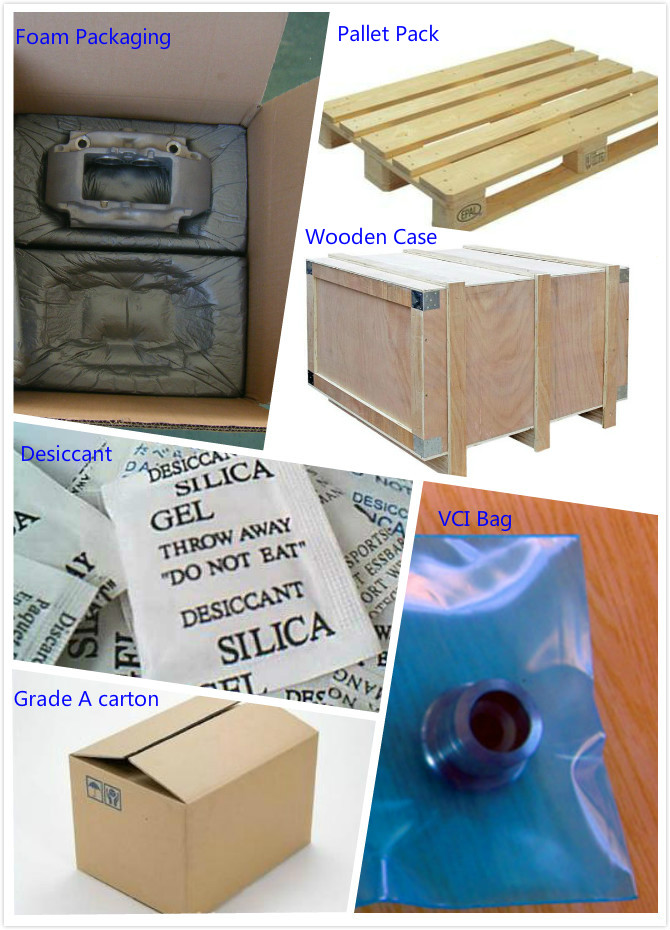
Packaging:
![cnc machining parts]()
FAQ
1Q: What are POM's key advantages over metal or other plastics?
1A: High strength, low friction, excellent dimensional stability, chemical resistance, and electrical insulation.
2Q: What tolerances can you achieve?
2A: Typically ±0.05mm (±0.002") or tighter, depending on part geometry.
3Q: Is it suitable for wet/harsh environments?
3A: Yes. Resists moisture, fuels, solvents, and many chemicals.
4Q: Does it meet food-safe or medical standards?
4A: Standard POM is not inherently FDA/USP compliant; specialty grades available upon request.
5Q: Can you machine complex geometries?
5A: Yes. POM is highly machinable, enabling intricate designs and tight tolerances.