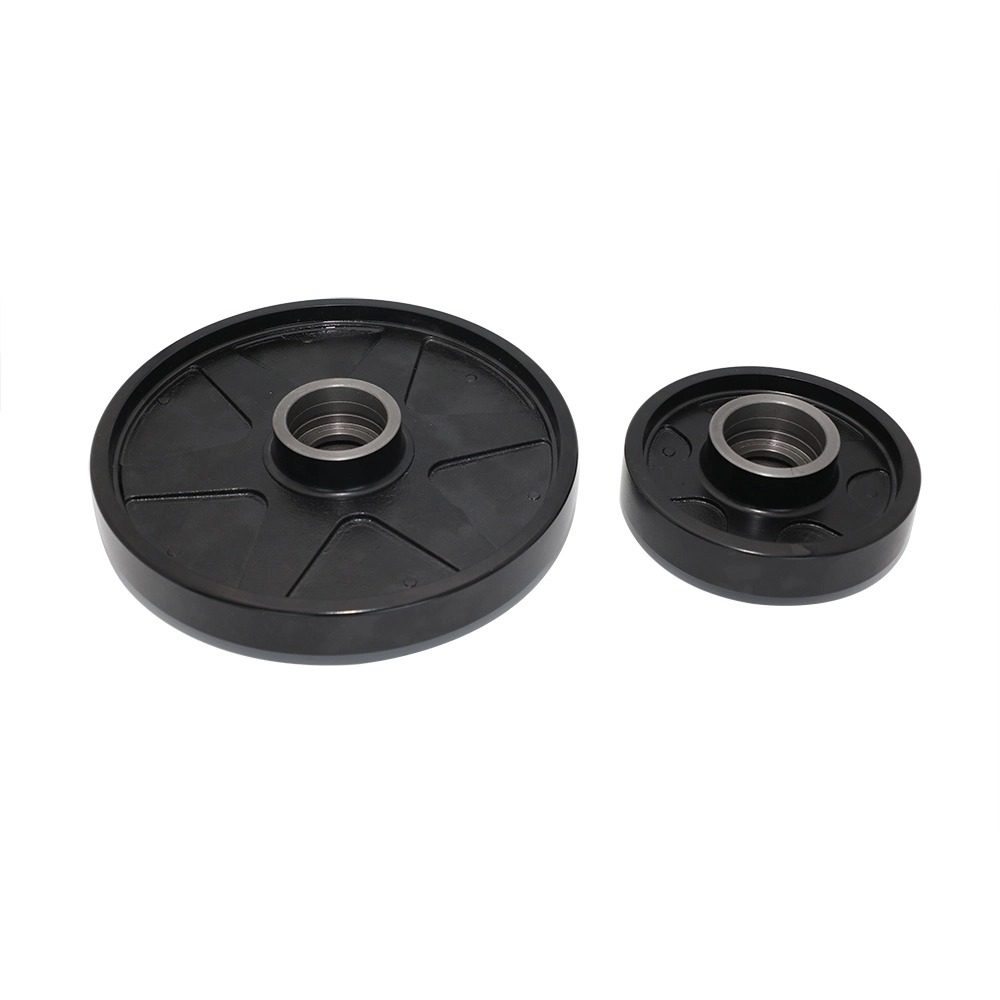
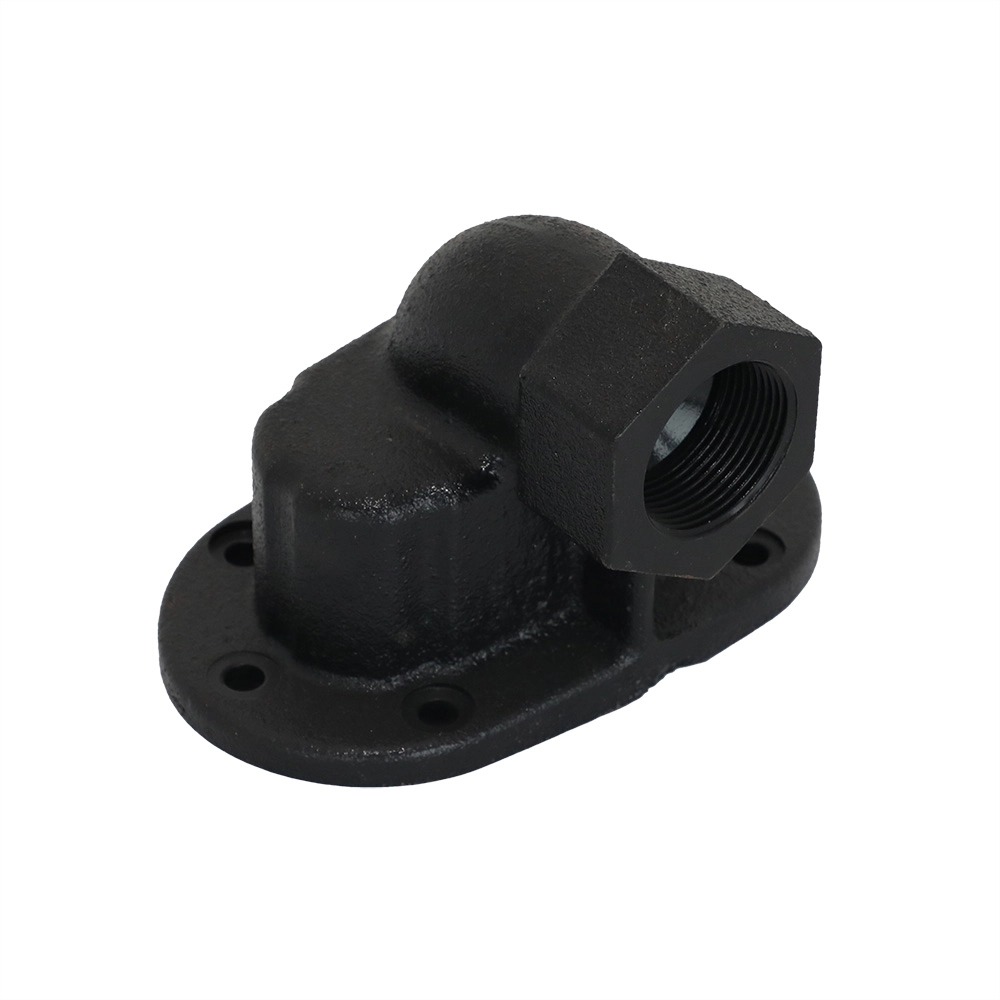
Iron castings are an essential element in manufacturing and industrial processes, serving as the foundation for numerous products used in everyday life. This guide explores everything you need to know about iron castings—from their definition to the different types, processes, advantages, and applications. Whether you’re an industry professional or just curious, this article will provide valuable insights into iron castings and how they are created.
Introduction to Iron Castings
Iron castings are a versatile and durable form of metal used in various applications, from engine parts and machinery to decorative elements. Created through the process of casting, which involves pouring molten iron into molds, iron castings are known for their excellent strength, durability, and cost-effectiveness.
The Basics of Iron Castings
Iron castings are products created by pouring molten iron into a mold and allowing it to cool and solidify. The mold is typically made from sand, metal, or other materials that can withstand the high temperatures of molten iron. Once the iron cools, it takes the shape of the mold, creating a casting. These castings can be further refined through machining or finishing processes.
Iron castings are popular for their ability to form complex shapes, which makes them ideal for a wide range of industrial and mechanical uses. The composition of the iron used, the molding technique, and the cooling process all contribute to the final properties of the casting, such as strength, weight, and surface finish.

Types of Iron Castings
There are several different types of iron castings, each with unique properties and applications. The most common types are:
Gray Iron Castings
Gray iron is the most widely used type of iron for casting due to its excellent castability, machinability, and good wear resistance. It contains graphite flakes, which give the material its characteristic gray color and contribute to its ability to absorb vibration, making it ideal for engine blocks, pipes, and machinery.
Ductile Iron Castings
Ductile iron, also known as nodular cast iron or spheroidal graphite iron, is made by adding small amounts of alloying elements such as magnesium to gray iron. This results in a more flexible and stronger material, with the ability to resist fracture better than gray iron. Ductile iron is commonly used in automotive and heavy-duty industrial applications.
White Iron Castings
White iron is a harder and more brittle form of iron casting. It is formed when the molten iron cools quickly, preventing the formation of graphite. This makes it ideal for wear-resistant applications, such as liners for mining equipment and industrial machinery.
Malleable Iron Castings
Malleable iron is produced by heat-treating white iron to soften it. This process improves its ductility, making it easier to work with and suitable for applications requiring moderate strength and malleability, such as fittings and pipe components.
Compacted Graphite Iron Castings
This type of iron casting combines characteristics of both gray and ductile iron. It features a unique microstructure that provides excellent strength and thermal conductivity, making it ideal for applications such as engine components, where both strength and heat resistance are critical.
The Process of Making Iron Castings
Creating iron castings is a multi-step process that requires precise control over various factors, including the composition of the iron, the mold design, and the cooling rate. Below are the key steps involved in the iron casting process:
Step 1: Pattern Making
The process begins with the creation of a pattern, which is a replica of the final iron casting. The pattern is typically made of wax, wood, or metal and is used to form the mold. The size and shape of the pattern must account for the shrinkage that occurs when the iron cools.
Step 2: Mold Making
Once the pattern is ready, it is placed in a mold material such as sand, clay, or a metal casing. The mold is designed to withstand the extreme temperatures of molten iron and allow for the flow of the liquid metal into every part of the mold.
Step 3: Pouring Molten Iron
The next step involves heating iron in a furnace until it becomes molten. The molten iron is then poured into the mold cavity, filling it completely and taking on the shape of the pattern. The temperature and pouring rate are critical to ensure the casting solidifies properly.
Step 4: Cooling and Solidifying
After pouring, the molten iron is allowed to cool and solidify. The cooling rate plays a significant role in determining the mechanical properties of the final product. Faster cooling results in a harder and more brittle material, while slower cooling allows for greater flexibility.
Step 5: Finishing
Once the casting has cooled, the mold is removed, and the iron casting is cleaned to remove any sand or mold material. The casting may also undergo additional processes such as machining, coating, or heat treatment to achieve the desired surface finish, dimensions, and strength.
Advantages of Iron Castings
Iron castings offer numerous advantages that make them a preferred material in many industries. Some of the key benefits include:
1. Durability and Strength
Iron castings are known for their exceptional durability and strength, which makes them ideal for heavy-duty applications. The ability to withstand high-stress environments without warping or cracking is a major reason for their widespread use in machinery and infrastructure.
2. Design Flexibility
Casting allows manufacturers to produce highly intricate and complex shapes that would be difficult or impossible to achieve with other manufacturing methods. This flexibility is essential for producing parts that need to fit together precisely or have unique geometries.
3. Cost-Effectiveness
Compared to other metalworking methods like forging or machining, casting is relatively cost-effective, especially for producing large volumes of parts. The process requires less material waste and can be easily scaled up for mass production.
4. Wear and Corrosion Resistance
Certain types of iron castings, such as gray and white iron, are known for their excellent wear resistance. This makes them ideal for applications in industries like mining, automotive, and construction, where parts are exposed to high levels of abrasion.
5. Thermal Conductivity
Iron castings, particularly compacted graphite iron, have excellent thermal conductivity, which makes them ideal for heat exchange applications, such as engine components and industrial machinery that must dissipate heat effectively.

Applications of Iron Castings
Iron castings are used across a broad range of industries, including automotive, construction, machinery, and infrastructure. Here are some of the most common applications:
Automotive Industry
In the automotive sector, iron castings are used to make engine blocks, cylinder heads, crankshafts, and brake components. The strength, durability, and thermal properties of iron make it ideal for automotive parts that need to withstand high levels of heat and pressure.
Construction
Iron castings are used in the construction industry to make components such as manhole covers, drainage pipes, and structural beams. Their ability to resist corrosion and wear makes them perfect for these critical infrastructure elements.
Machinery
Iron castings are found in various industrial machines, including pumps, valves, and heavy machinery components. The material’s ability to absorb vibration and handle heavy loads makes it indispensable in these applications.
Mining and Heavy Equipment
Iron castings are used in mining equipment like crushers, grinding mills, and shovels, where they need to withstand abrasive conditions and heavy stress. White and ductile iron castings are particularly suited for these applications due to their high wear resistance.
Conclusion
Iron castings play a vital role in modern industry, offering strength, durability, and versatility across various sectors. From automotive to construction and heavy machinery, iron castings are indispensable due to their ability to withstand wear, handle high stress, and be molded into complex shapes. Understanding the different types, processes, and advantages of iron castings can help industries make informed decisions about their use in manufacturing.
FAQ
1. What is the difference between gray iron and ductile iron?
Gray iron contains graphite flakes, which make it easy to machine and excellent for vibration damping. Ductile iron, on the other hand, contains spherical graphite, which gives it better strength and ductility, making it ideal for applications where toughness is required.
2. Why are iron castings so commonly used in automotive parts?
Iron castings are used in automotive parts because of their strength, thermal resistance, and ability to be molded into complex shapes. These properties make them ideal for engine blocks, cylinder heads, and other critical automotive components.
3. Can iron castings be used in high-temperature environments?
Yes, certain types of iron castings, particularly compacted graphite iron, are designed to perform well in high-temperature environments, such as in engine components and industrial machinery.
4. How are iron castings finished after they are made?
Iron castings are usually cleaned to remove mold material and then may undergo machining, heat treatment, or coating processes to achieve the desired finish, strength, and dimensions.
5. What industries benefit from iron castings?
Iron castings are used in many industries, including automotive, construction, mining, machinery manufacturing, and heavy-duty industrial applications due to their durability, cost-effectiveness, and versatility.