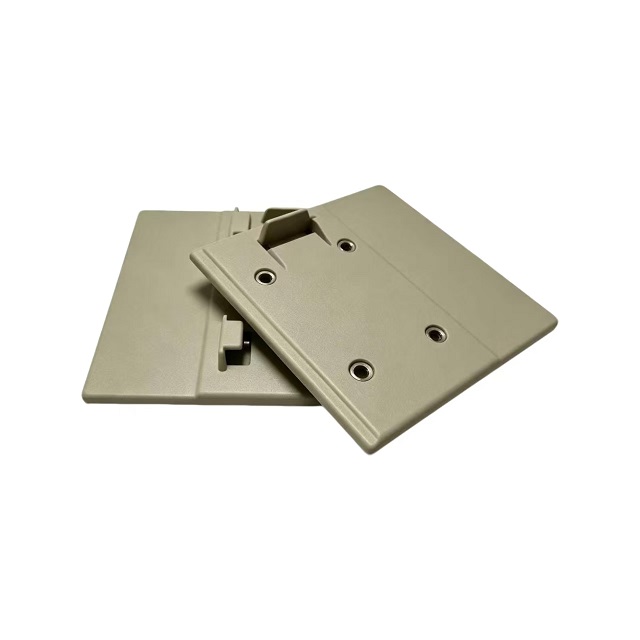
Writing a manufacturing specification sheet is a critical responsibility for procurement managers and mechanical engineers alike. Picture this scenario. A procurement team eagerly unpacks a highly anticipated batch of 10,000 components. Within a week, they discover the parts have shrunk out of tolerance or suffer from severe surface blistering. This nightmare usually stems from a single drafting error. Finding the perfect balance in a buying spec is notoriously difficult. A specification that is too vague inevitably leads to poor part performance and quality inconsistencies. In contrast, an overly restrictive spec can unnecessarily drive up production costs and severely limit your supplier options.
As a premier manufacturing process, custom zinc die casting stands out for producing high-precision, durable, and cost-effective metal components. However, simply writing "zinc" or "zinc alloy" on a technical drawing is a recipe for disaster. Different metallurgical blends possess vastly different mechanical properties, shrinkage rates, and thermal characteristics.
The core objective of this guide is to direct buyers and engineers on exactly which grade to name on their blueprints. By thoroughly understanding mechanical properties, cross-referencing global standards, and analyzing specific product end-use environments, procurement teams can secure reliable components for their global supply chains.
Key Takeaways
Precision is Key: Naming a specific grade like Zamak 3 or ZA-8 ensures consistent mechanical properties and prevents supplier guesswork.
The Industry Standard: For over 70 percent of custom metal forming projects, Zamak 3 offers the optimal balance of castability, finishing capabilities, and cost-efficiency.
Global Standards Matter: A robust buying spec must include the regional standard designation—such as ASTM, EN, JIS, or GB—alongside the common alloy name to guarantee clarity across international borders.
Application Dictates Grade: Different consumer and industrial components require highly specific grades depending on their unique demands for structural integrity, impact resistance, or premium surface treatments.
Expert Consultation: Partnering with professional manufacturing experts early in the design phase helps engineers lock in the most cost-effective material specification before expensive tooling begins.
Industry Trends: The Shift Toward Precision Metallurgy
Recent market data reveals a distinct shift in procurement strategies across the metal forming sector. As industries push for aggressive lightweighting—particularly in automotive and consumer electronics—engineers can no longer rely on safe, over-engineered generic material calls. Strict environmental regulations and the need to reduce carbon footprints are forcing supply chains to demand highly optimized metallurgical data. Buyers are now specifying highly specific grades to achieve thinner walls and reduce raw material usage without sacrificing tensile strength. This strategic shift not only slashes emissions during mass production but also prevents the hidden costs associated with secondary alloy impurities.
Why Vague Material Specs Fail in Production
The Danger of Generic Callouts
When a buying specification merely lists "Zinc Alloy" as the baseline requirement, it inadvertently opens the floodgates to severe manufacturing risks. Generic callouts allow suppliers to utilize whichever raw material is currently cheapest or most readily available on the local market. Consequently, this variation directly impacts the shrinkage rate of the metal as it cools inside the mold cavity. If a tool is explicitly designed for the shrinkage rate of Zamak 3, but the supplier substitutes a different alloy blend, the resulting parts will fail to meet strict dimensional tolerances.
Furthermore, incorrect alloy selection often leads to severe internal porosity, reduced tensile strength, and premature structural failure under continuous load. If elements like lead, tin, or cadmium exceed strict metallurgical limits, the resulting parts become highly susceptible to intergranular corrosion. This invisible defect causes the component to swell, crack, or disintegrate over time.
The Role of a Precise Buying Spec
In contrast to loose guidelines, a tightly defined material specification serves as a binding technical contract. It actively protects the buyer by establishing a measurable, legally sound baseline for quality control and metallurgical testing. When you specify a precise grade, you simultaneously standardize the quoting process. Multiple manufacturers are forced to quote based on the exact same raw material costs. This transparency allows procurement teams to accurately compare bids without the fear of hidden material downgrades.
Balancing Cost and Performance
While under-specifying leads to catastrophic part failure, over-specifying can unnecessarily inflate production budgets. Demanding a high-performance, high-copper alloy like Zamak 2 for a simple cosmetic cover forces your company to pay a premium for mechanical properties the product will never actually utilize. Specifically, a precise specification aligns the raw material cost directly with the functional requirements of the component.
The Zamak Series: The Foundation of Custom Metal Forming
The Zamak family of alloys—an acronym derived from the German names for Zinc, Aluminum, Magnesium, and Copper—forms the absolute backbone of the die casting industry. Understanding the nuances between these grades is critical for accurate material selection.
Zamak 3: The Universal Standard
Among the available options, Zamak 3 is the undisputed default choice. It accounts for the vast majority of all zinc castings produced globally. It contains approximately 4 percent aluminum and a very small, tightly controlled amount of magnesium to prevent corrosion. Zamak 3 offers the best overall balance of physical properties. It demonstrates excellent long-term dimensional stability, making it ideal for precision parts. In addition, it provides a flawless surface that readily accepts plating, painting, and chromate treatments.
Zamak 5: For Added Strength
When a component requires higher mechanical strength than standard grades can provide, Zamak 5 is the logical upgrade. The primary metallurgical difference is the addition of approximately 1 percent copper. This specific copper addition significantly increases tensile strength—up to 331 MPa compared to Zamak 3 at 283 MPa—and raises the overall hardness of the part. However, this increased strength comes at the minor cost of slightly reduced ductility. It is highly specified for automotive components, wheel weights, and parts subjected to moderate mechanical stress.
Zamak 7: High Fluidity for Complex Designs
Zamak 7 is a high-purity variation of Zamak 3, containing lower magnesium content. This subtle modification dramatically increases the fluidity of the molten metal. Consequently, Zamak 7 is the premier choice for casting complex, ultra-thin-walled components that require impeccable surface finishes without the risk of cold shuts.
Core Alloy Comparison Guide
Alloy Grade
Tensile Strength
Fluidity / Castability
Primary Application
Zamak 3
283 MPa
Excellent
General purpose, cosmetic parts, plating
Zamak 5
331 MPa
Good
Automotive parts, moderately stressed brackets
Zamak 7
283 MPa
Superior
Ultra-thin walls, highly intricate geometries
ZA-8
374 MPa
Fair
High-stress structural components, heavy duty
ZA Alloys: Specifying for High-Performance Parts
While the Zamak series dominates general-purpose manufacturing, Zinc-Aluminum alloys are specifically engineered for heavy-duty applications. These blends are characterized by a significantly higher aluminum content ranging from 8 to 27 percent. This increased aluminum density translates to superior tensile strength, exceptional hardness, and outstanding creep resistance.
ZA-8: The Hot-Chamber Champion
ZA-8 contains approximately 8 percent aluminum and holds a highly unique position in the metallurgical matrix. It is the only high-aluminum alloy that can be processed using the highly efficient hot-chamber method. Hot-chamber casting allows for faster cycle times and lower production costs. Because ZA-8 provides significantly higher strength and creep resistance than Zamak 5, it serves as an excellent specification for structural brackets, high-tension fasteners, and decorative parts that double as load-bearing elements.
Global Designations: How to Write the Spec Correctly
A common failure point in international procurement is the use of localized alloy names without their global standardized equivalents. Imagine sending a blueprint specifying only "Zamak 3" to a newly onboarded facility overseas. The supplier might utilize a local standard material that possesses slightly different impurity thresholds if the cross-reference is not explicitly mapped out. This oversight can lead to translation errors, production delays, or the use of an uncertified local equivalent.
Common International Standards
To ensure strict metallurgical compliance, a buying specification must cross-reference the regional standard.
North America: The American Society for Testing and Materials uses specific alphanumeric codes. Zamak 3 is designated as ASTM B86 Alloy 3 or AG40A. Zamak 5 is ASTM B86 Alloy 5 or AC41A.
Europe: The European standard EN 12844 uses a different matrix. Zamak 3 is recognized as ZL0400, while Zamak 5 is ZL0410.
Asia: In Japan, the JIS H 5301 standard applies. In China, the GB/T 13818 standard is utilized.
Example of a Perfect Material Callout
A professional, ambiguity-free material callout on an engineering drawing leaves absolutely no room for supplier interpretation. Instead of writing a poor spec like "Material: Zamak 3", a flawless specification looks exactly like this:
This multi-standard callout guarantees that regardless of where the part is manufactured in the world, the chemical composition and mechanical properties will remain identical.
Real-World Specs: Choosing Grades for Specific Components
Specifying a Zinc Die Casting Faceplate
Faceplates are highly visible components utilized in smart home devices, premium audio equipment, and electronic locksets. The primary requirements for a zinc die casting faceplate are a flawless cosmetic surface and the ability to seamlessly accept high-end finishes like custom powder coating. Because structural stress is typically low in these applications, Zamak 3 is the undisputed recommendation. It provides the necessary fluidity to capture fine aesthetic details, logos, and textures in the mold, while offering the best substrate for durable cosmetic powder coating.
Specifying a Zinc Die-Casting Cap
Caps and closures used in luxury cosmetics packaging or industrial fluid sealing applications require a delicate combination of aesthetic appeal and functional precision. A premium zinc die-casting cap often requires precise internal threading alongside a premium external finish, such as a sandblasted surface. Zamak 3 is generally sufficient to achieve that high-end sandblasted texture. However, if the cap is used in an industrial fluid system requiring high torque during mechanical assembly, Zamak 5 should be specified to provide the added tensile strength necessary to prevent the internal threads from stripping under intense pressure.
Why You Should Consult Experts Before Finalizing Specs
Early Supplier Involvement
Even with a robust understanding of alloy properties, locking in a material specification in total isolation can lead to unforeseen manufacturing inefficiencies. The most successful procurement strategies involve deep collaboration with manufacturing experts before the spec is finalized. Bringing your manufacturing partner into the conversation during the initial design phase allows professional zinc die casting services to utilize their empirical data on how different alloys behave in specific mold geometries.
Design for Manufacturability
Through comprehensive Design for Manufacturability analysis, engineers use advanced mold flow simulation software to accurately predict how molten metal will fill the cavity. If you have specified Zamak 5 for a highly complex, thin-walled part, the analysis might reveal a high risk of porosity. The engineering team can then intelligently recommend pivoting to Zamak 7 to improve fluidity. This perfectly balances your need for performance with optimal tool life and faster cycle times.
Ready to Optimize Your Procurement Strategy?
Choosing a specific alloy grade is a highly strategic decision that directly impacts the success of your manufacturing lifecycle. A precise specification ensures better manufacturing results, mitigates the risk of part failure, and ultimately lowers your long-term costs. While Zamak 3 remains the safest and most versatile choice for the majority of projects, high-stress or highly intricate parts might require the specialized properties of Zamak 5, ZA-8, or Zamak 7.
Always remember to include global standard codes on your engineering drawings to prevent any supply chain confusion. If you are currently drafting a specification sheet and need expert validation, explore the advanced manufacturing solutions and find the exact matching product parameters for your project at https://www.js-nbi.com to secure a highly competitive edge in your market.
FAQ
Q1: What is the most common zinc alloy used in die casting?
Zamak 3 is the most widely used grade globally. It accounts for the vast majority of all production volume due to its excellent balance of physical properties, highly reliable castability, and versatile finishing options.
Q2: Can I just write "Zamak" on my buying spec?
No. The term refers to an entire family of alloys, not a specific material. You must explicitly specify the exact grade, such as Zamak 3 or Zamak 5, because each grade features vastly different mechanical properties, shrinkage rates, and strength profiles that will directly impact your product's performance.
Q3: Which grade is best for parts that need to be electroplated or powder-coated?
Zamak 3 and Zamak 7 are generally considered the absolute best grades for high-quality surface finishes. They offer exceptionally low porosity and excellent surface smoothness, making them ideal for visible consumer parts that require premium aesthetic treatments without the risk of blistering.
Q4: What is the difference between standard and high-aluminum blends?
Standard grades typically contain about 4 percent aluminum, which makes them incredibly easy to process using standard, cost-effective hot-chamber machinery. High-aluminum blends contain much higher amounts, ranging from 8 to 27 percent. While they offer superior tensile strength and better performance at elevated temperatures, they are often more complex to cast.
Q5: How do I ensure overseas suppliers use the correct material?
Always include the global cross-reference standard directly in your buying specification. Alongside the common name, you should include its international equivalents such as ASTM B86 Alloy 3, EN 12844 ZL0400, or GB/T 13818 ZZnAl4. This practice ensures absolute clarity across the global supply chain and actively prevents unauthorized material substitution.
Q6: What happens if the raw material contains too much lead or tin?
If trace elements like lead, tin, or cadmium exceed the strict limits outlined in ASTM or GB standards, the metal becomes highly susceptible to a defect known as intergranular corrosion. In warm or humid environments, this corrosion attacks the grain boundaries of the metal, causing the part to physically swell, crack, and eventually disintegrate.
Q7: How does wall thickness affect material selection?
Wall thickness plays a massive role in mold flow. If your component features ultra-thin walls below 1.0mm, standard alloys might solidify before completely filling the mold, causing cold shuts. In these specific scenarios, engineers must specify Zamak 7. Its higher purity and lower magnesium content dramatically increase the fluidity of the molten metal, allowing it to easily fill intricate geometries.
Nanjing Best International Co., Ltd. is a reputable manufacturer and supplier of industrial components based in China. Our factory is situated in Changzhou City, which can be conveniently reached within 1.5 hours by car from Nanjing.